Prepare the basics
Think about space, wrist comfort and an appropriate starting point.
Handstands is here to make learning handstands through sensible practice and coaching easier to understand, with useful ideas and realistic expectations.
If you have been looking for a clear starting point, you are in the right place.
Think about space, wrist comfort and an appropriate starting point.
Understand why coaching and safe exits matter for beginners.
Prepare questions about beginner sessions, teaching style and suitable support.
Choose one manageable focus instead of chasing endless attempts.
Notice control, consistency and confidence as well as hold times.
Plan sessions around your available space, time and wider routine.
Choose a small, achievable focus for each session: a clear setup, comfortable basic loading or a cue agreed with your coach. Warm up, use a safe floor and keep enough space around you.
Separate skill practice from the urge to exhaust yourself; tired attempts can be harder to control. Record one useful observation rather than comparing every session with a highlight reel.
Support training with ordinary meals, rest and general activity, without assuming a special diet or supplement is necessary. Handstands are one part of a broader movement routine.
A qualified coach can adapt progressions to your ability and teach spotting and exits safely. This site does not replace that assessment or promise that everybody will reach the same milestone.
Explore the articles
Our free articles are available now. A £9 guidebook and £27 online video course are planned, but neither has been created yet.
Final contents, access arrangements and purchase terms will be confirmed before checkout opens.
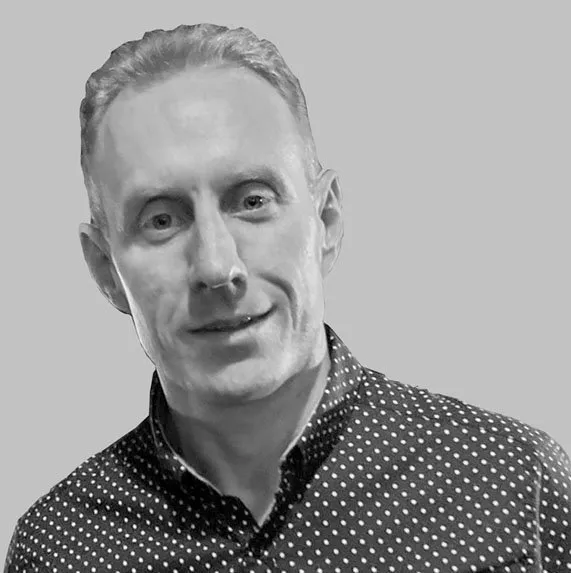
Explore our resourcesI’m the person behind handstands.co.uk. My aim is to bring approachable information about learning handstands through sensible practice and coaching into one place, so you can explore the questions that matter to you.
This website shares general education. It does not offer personal professional advice.
I want the articles to be useful, clear about their sources and honest about what is still uncertain. The guidebook and video course are future projects.
Articles distinguish practical ideas from established evidence. Important factual claims link to relevant public sources. We prioritise authoritative public guidance and primary material, check links during publication and correct material errors when identified. Content is not independently professionally reviewed.
Publication dates show when an article was released; they do not imply continuous clinical or professional review. Illustrative images do not depict customers, testimonials or product outcomes.