Choosing a handstand class is partly about teaching quality and partly about whether the environment fits your starting point. Impressive demonstrations are not enough to answer either question. A coach may be highly skilled at performing while still needing to explain how beginners are assessed, supported and taught to exit safely.
This guide gives you questions to ask before booking. It does not rank providers or claim that one qualification alone settles every aspect of coaching quality.
Ask about relevant experience and qualifications
Find out what the coach is qualified to teach and how that relates to the activities in the class. Ask about experience with beginners and whether there is an assessment before inversion. If you have an injury or a particular concern, explain it before attending rather than hoping it will not matter.
British Gymnastics provides information about supervised gymnastics environments and coaching. A provider’s claims should be clear enough to check; vague terms such as expert or elite do not describe the support you will receive.
Understand the first session
Ask what a beginner session involves. Does it include preparation, appropriate progressions and instruction on getting down? How are different abilities accommodated? A class should not require everyone to attempt the same advanced position regardless of readiness.
It is reasonable to ask whether you can watch part of a session or receive an explanation of the format. Clear information helps you judge whether the pace and environment are suitable.
Discuss spotting and safety
Find out who provides spotting and how it is taught. A large group with little individual attention may offer a different experience from a small class or private lesson. Ask how the teacher manages participants who are nervous or not ready for an exercise.
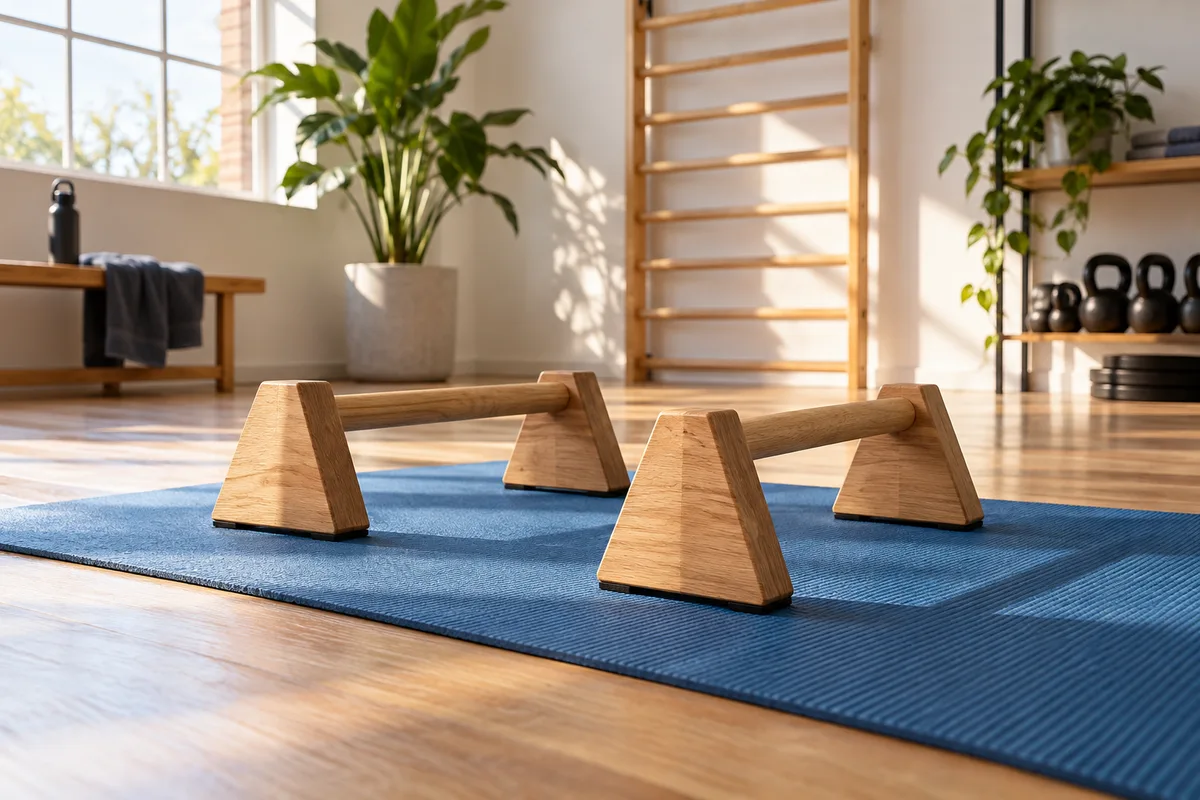
Look at the space and equipment as well. Enough room, appropriate surfaces and a plan for movement around the area are part of the learning environment. A stylish studio photograph does not show how a session is organised.
Expect understandable feedback
Good feedback should help you know what to practise next. It should not be a stream of unfamiliar terms without explanation. Ask whether follow-up tasks will be adapted to the space and equipment you actually have.
Be cautious about guaranteed timelines. Learners differ, and the ability to hold a handstand can depend on several skills developing together. A realistic coach can discuss progress without promising that every participant will reach an identical milestone by a fixed date.
Check practical arrangements
Confirm class size, costs, cancellation terms and what to bring directly with the provider. This site does not supply live availability or pricing. Also ask how to communicate a new injury or concern between sessions.
The right fit is an environment in which you understand the task, can ask questions and receive appropriate support. You should be able to choose an easier progression without feeling that you have disrupted the class.
A practical example
A learner compares two class descriptions. One promises a handstand in a set number of days but says little about beginner support. The other explains assessment, class size and how exits are taught. The learner asks both about relevant qualifications and their own concerns before booking. The decision is based on the learning environment, rather than the most dramatic headline.
Your next steps
- Ask about relevant qualifications and experience teaching beginners.
- Confirm how the first session assesses readiness and adapts tasks.
- Find out how spotting, exits and individual feedback are provided.
- Check costs, group size and cancellation terms directly with the provider.
Sources and scope
British Gymnastics: Parent Hub and supervised gymnastics.
Keep exploring
- Handstands for beginners: start with preparation and support
- Wrist preparation for handstands: gradual loading and when to stop
- Wall handstand practice: the wall is only part of the setup
- Planning handstand practice without a rigid timetable
- Recovery and everyday nutrition for handstand practice
Keep exploring the practical questions.
Explore the guides